The Fashion Brand Launch Strategy Everyone's Still Getting Wrong
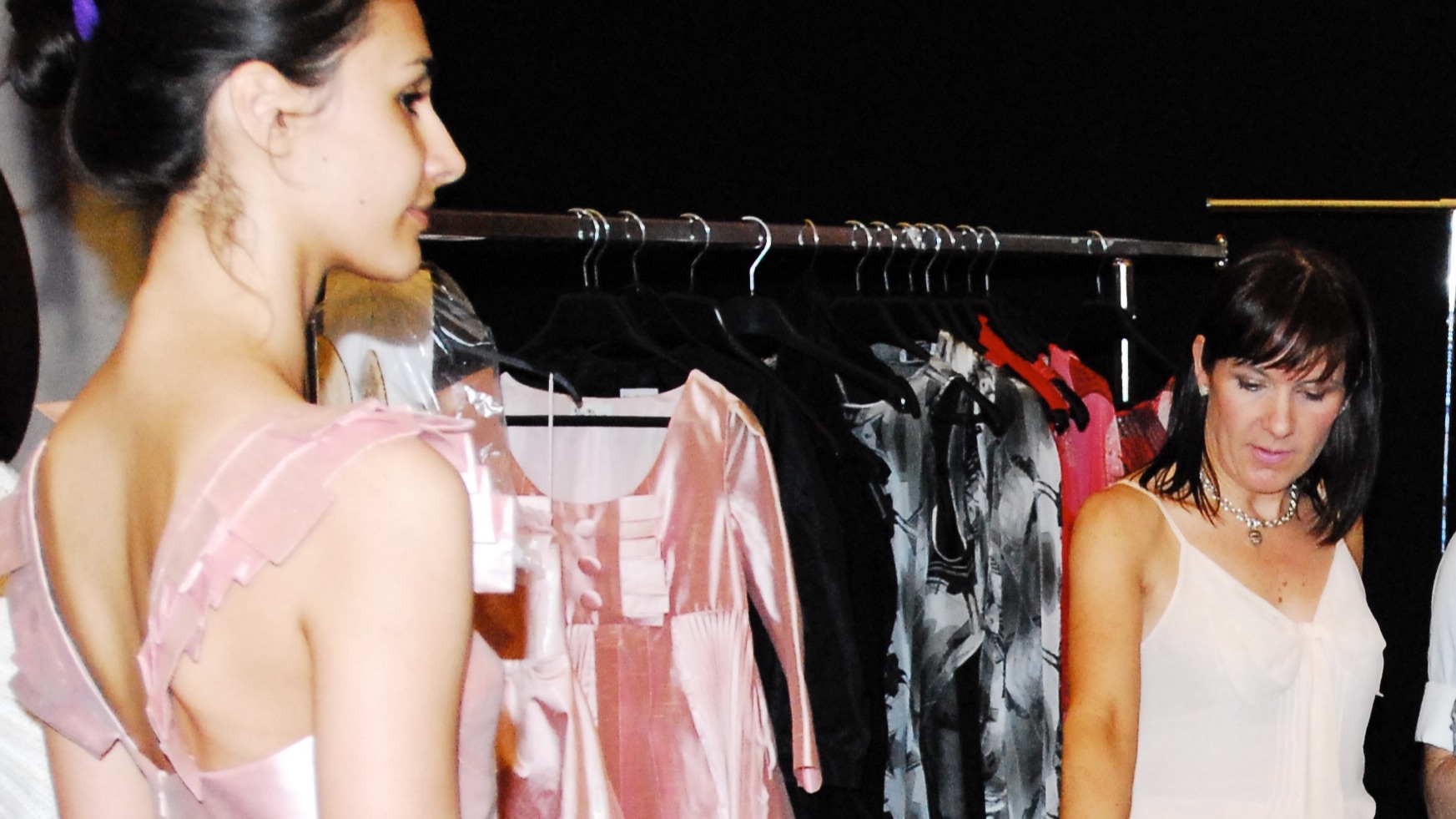
Talented independent designers are pouring their heart and soul into their online presence... cringing as they create behind the scenes founder videos, posting 3 to 5 times a week on Instagram, hiring social media managers, running ads... and still wondering why nobody's buying.
If that's you, here's what's actually happening, why it's happening, and what's working instead.
Social media alone stopped working as a fashion brand launch strategy a long time ago. The platforms are saturated, the algorithms favour entertainment over craftsmanship, creativity and intellectual design, and your potential customer has scrolled past a thousand beautifully shot product videos before she's even finished her first coffee.
And yet, sign up for almost any fashion business coaching programme, watch almost any webinar aimed at independent designers, or follow any fashion mentor on Instagram and you'll still hear the same advice delivered as if it's cutting edge: post daily to Instagram, get on TikTok, run ads, build the funnel.
It's no longer the new way. It's now the old way, dressed up and still being sold as if it's 2018.
Why "Post More" Stopped Being the Answer
Here's the part most designers never get told. Posting more doesn't fix a visibility problem if the underlying issue isn't actually visibility.
A customer can watch a hundred beautiful product shots on a designer's feed and still not buy. Why? Because fashion, especially considered, well designed and made fashion, is a tactile, sensory decision. The fabric. The drape. The construction. The way a garment moves when you turn around in front of a mirror. The overall sensory brand experience. None of that translates fully through a phone screen, no matter how good your content is.
Or they can watch a hundred behind the scenes reels… that just attract other designers and hobbyists who want to learn your skills, not buy your work.
So when a brand's online engagement and follower numbers are flat despite consistent effort, the instinct is almost always do more of the same. Just try harder… Post more product shots. Add more behind the scenes reels. Spend more on ads. Test a new hook formula. Try a different posting time.
So you invest more time and money going down this path, but still nothing changes.
What can get your business snowballing in the right direction is something most designers have been taught to see as a distraction from the "real" work of growing online… Actually getting in front of real people in real life.
The Hybrid Showcase Launch Model, Explained
When I say showcase, I don't mean a runway show. A showcase is any launch that lets people experience your collection, online or in person.
The fashion founders winning in 2026 aren't choosing between online and offline marketing. They're using each for what it does best.
Online visibility builds reach, familiarity and engagement. It's how someone first hears your name, sees your aesthetic, starts to recognise you in their feed and can actually talk to you.
The in-person experience builds belief and trust. It's where someone feels the fabric, sees the construction up close, watches how a piece moves on a real body, and has the kind of emotional, sensory moment that turns "I like this" into "I need this."
The mistake most designers make is treating these as separate strategies, choosing one or the other based on budget or comfort level. The founders forging ahead right now treat them as one connected system. The in-person moment becomes the content. The content drives people toward the next in-person moment. Each one amplifies the other.
This isn't a theory. It's a pattern showing up again and again when you look closely at brands that are actually growing right now, not just posting a lot.
Case Study: A Runway Show That Doubled a Brand, Twice
Aimee Smale, founder of Odd Muse, is widely seen as a brand built entirely on Instagram and TikTok…. But that story is incomplete.
In her own words, Aimee describes how the brand's real-world activities amplify her online results: "Whatever we are doing in real life, it has a domino effect on the website."
Source: Aimee Smale, interview with Nathan Chan on the Foundr podcast (58:20)
https://www.youtube.com/watch?v=oYpqgEFSLVM

She talked about how Odd Muse's New York boutique kept the online conversation going long after launch day, giving the brand a physical anchor that social content alone couldn't create. And she described the brand's runway show and first pop up shop as the best investment they made, not because of how either event looked on camera, but because of what happened afterwards. She said “Runway was a risk but the brand grew amazingly. it was the best investment. everything about the brand doubled: daily orders, the team, everything just went amazingly… everything about the brand doubled”
Source: Aimee Smale, interview with @SharonNJGaffka on the Girls Know Nothing podcast (33:20) https://www.youtube.com/watch?v=fO6AT3Z0gPI

That's not a brand that got lucky with a viral video. That's a brand that understood something most designers haven't been told: the in-person showcasing is what gives the online content something real to amplify.
Case Study: 300 Views a Day to 30,000
You don't need a flagship store or a runway show budget to see this pattern play out. One of our Fashion Launch Catalyst designers, Amanda, proved that at a much smaller scale.
Amanda had been doing everything considered "correct" online. Posting consistently. Showing up daily. Still stuck at around 300 views a day, month after month, despite the effort.
She followed our Fashion Launch Catalyst process exactly, and added the one element most designers skip entirely: an in-person showcase, where people could actually see and touch the work.
Within weeks, her Instagram views went from 300 a day to 30,000.
Nothing about her content strategy changed. The platform didn't change. What changed is that something real happened first, in a room, with real people, and the internet had something genuine to amplify rather than another polished post asking to be believed on faith.
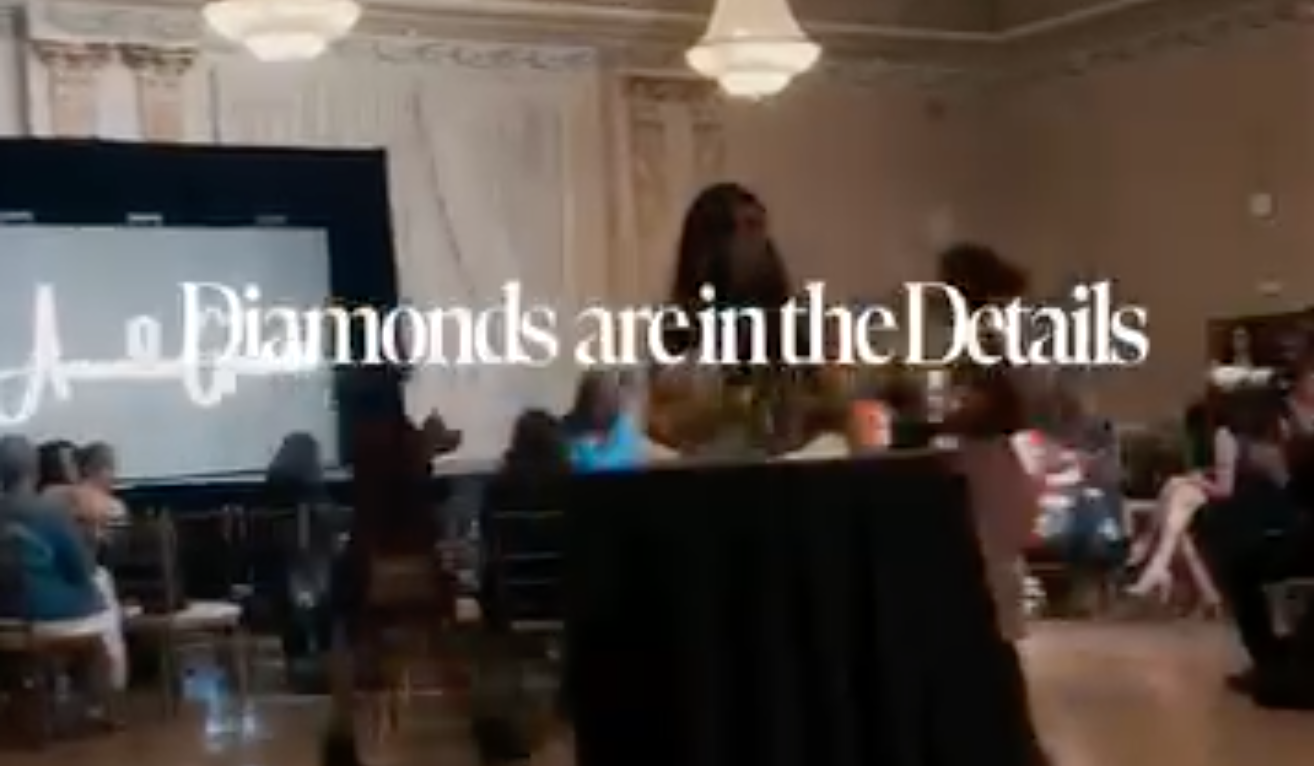 https://www.instagram.com/reel/DKuN-JNsr6V/?utm_source=ig_web_copy_link&igsh=MzRlODBiNWFlZA==
How to Apply This to Your Own Fashion Brand Launch Strategy
If your online numbers have plateaued despite consistent effort, the answer probably isn't a new content formula. It's giving your audience a reason to believe what you're showing them.
That doesn't have to mean a runway show or a flagship store. A showcase launch can take a lot of forms:
A small trunk show where a handful of customers or press can see and touch the work in person.
A pop up, even a modest one, timed around a launch or collection drop.
A studio open day where people watch the construction process up close.
A presence at a prestigious industry platform like London Fashion Week, where the right people are already in the room.
The format matters less than the principle. Give people a real, in-person reason to believe in the work, and your online content stops asking for trust and starts confirming it.
Why This Is the Foundation of Fashion Launch Catalyst
This hybrid approach, online visibility paired with real-world experience, is the exact philosophy Fashion Launch Catalyst is built around, and it's why our showcase, held during London Fashion Week, exists. Not as an optional add-on to a social media strategy, but as the critical piece that makes the rest of it actually work.
The fashion founders who get ahead of this now, who stop treating in-person experiences as optional and start treating them as the foundation, will be the names everyone's talking about long before the rest of the industry catches up.
If you want to see how this could work for your own showcase launch, here's where to start: Fashion Launch Catalyst Priority List
BUILD A FASHION BRAND YOUR IDEAL CUSTOMER SEEKS OUT
FASHION LAUNCH CATALYST
BECAUSE HIGH-END CUSTOMERS DON'T FIND YOU ON INSTAGRAM
To learn about TAILORED 1:1 SUPPORT to scale your fashion business email [email protected]
Jane McMillan

Jane McMillan
Founder of Fashion Entrepreneurs Academy
Jane McMillan is a fashion launch architect and consultant living in London. Her Mac Millan brand gained celebrity clients including a former member of the British Royal Family and her work has been shown in editorial features such as Vogue, Marie Claire, Elle, In Style, Glamour, Cosmopolitan, WWD, etc. and featured on several broadcast media including Channel 4 and the BBC. For over a decade, Jane's collections were showcased internationally, appearing on the official catwalk schedule at New York Fashion Week in Bryant Park, the British Fashion Council's Designer Exhibition, On|Off catwalk shows at London Fashion Week, and Tranoï Paris. For many years, Jane consulted for renowned fashion brands including Roland Mouret and Roksanda, while also serving as an Associate Lecturer at Central Saint Martins, where she mentored students who have since become some of the most sought-after names in London, Paris and other global fashion capitals. Today, Jane brings together her experience in luxury fashion, education and business to help independent fashion brands launch their collections, attract the right customers and grow to the next level.
Recent Newsletters