THE #1 SIGN YOU'RE READY FOR A PRESS-WORTHY LAUNCH EVENT (Even if you're still sewing samples yourself)
The sign you’re ready?
You notice what’s missing in the industry and know how your collection could stand out... even if no one else sees it yet.
Most designers think they need a massive team, glossy showroom and a perfect collection to get noticed. After all, that's what you see in the press.
But being ready isn’t about what you think you should have. It’s about how you position what you already have.
Think of each sample you’ve sewn as a single note in a song. Alone, it’s nice enough but it doesn’t move anyone. However if you arrange the notes and craft the melody then suddenly you have a performance that people are raving about for months after.
Your launch is that performance . You have the samples and now it’s just about orchestrating them to make an impact.
A designer I worked with in Fashion Launch Catalyst was stuck sewing in her studio for months, thinking she needed to be ‘ready’ before presenting to buyers or press.
Within weeks of repositioning w...
What to say when someone compares your $950 dress to a Zara lookalike — and how to shift the perception instantly

You pour so much into your work ... late nights, strained eyes, tired hands and a passionate heart.
So when you're showcasing your collection at a trade show or pop-up shop and someone holds up your $950 dress and says, “This is just like something I saw in Zara”
it stings.
Not because they’re trying to be rude.
But because they just don’t see what you see.
This is avoidable. But if no one ever taught you how to demonstrate your work in a way that communicates its value ... the intention, the feeling, the standard ... how could your potential customers ever understand the difference between fast fashion and what you’re doing?
This isn’t about defending your price. It’s about shifting the perception of your potential customers.
Because your customer isn’t just buying a dress.
She’s buying a feeling.
A standard.
A story she wants to wear.
And when you speak to that — the essence, the craftsmanship, the energy behind it … the Zara comparison quietly falls away. Because not...
10 Common Mistakes to Avoid When Launching Your Fashion Brand
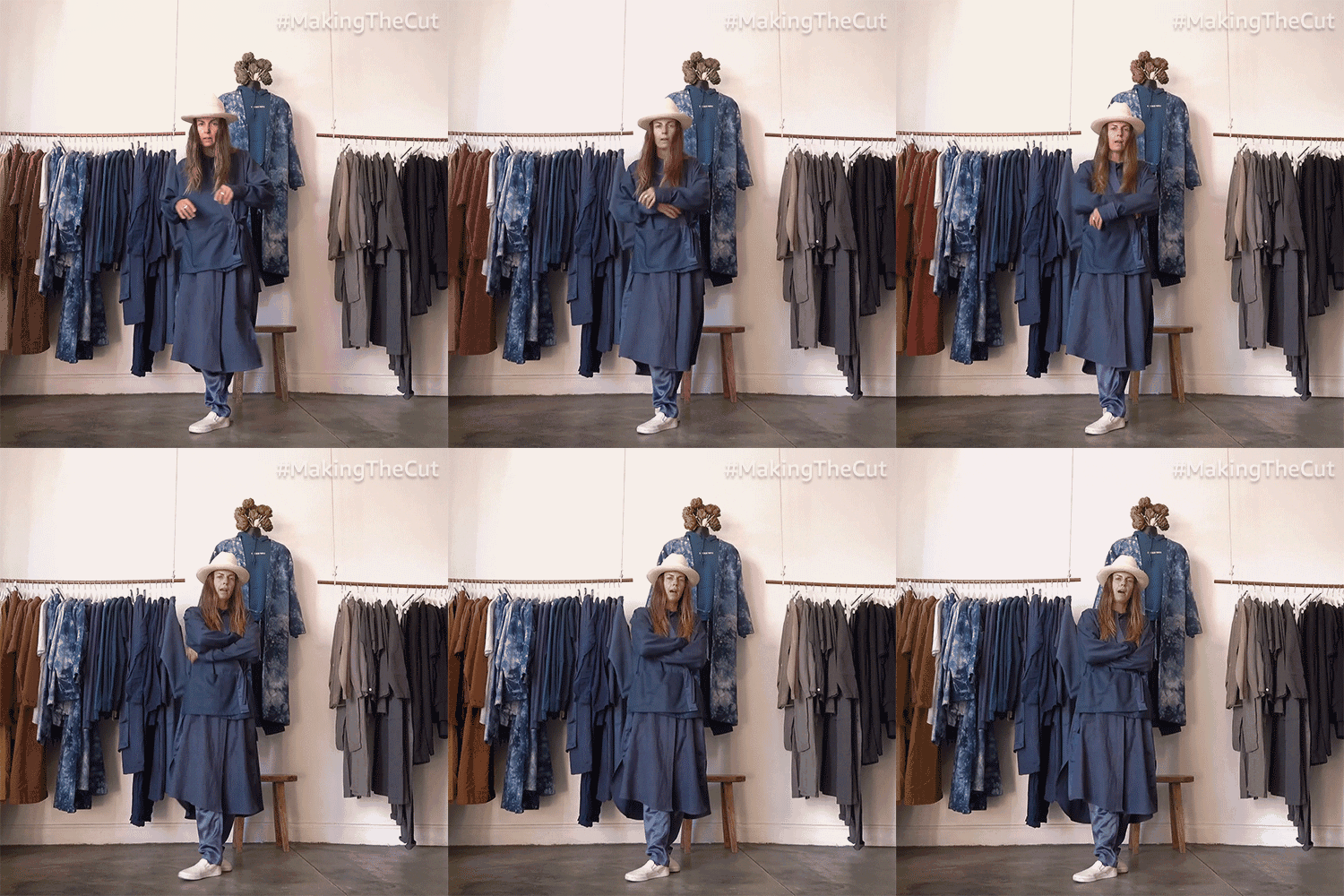
10 Common Mistakes to Avoid When Launching Your Fashion Brand (And How to Fix Them… So You Can Launch with Confidence)
If you're gearing up to launch your next collection or debut your brand you're probably obsessing over every detail:
“Are the buttons the right shade?”
“Should the thread be a tone darker… lighter?”
“Do the straps look better 2 mm wider… narrower?”
But here’s what no one talks about.
It’s not just about the clothes.
A strong collection matters, but it’s your launch that gets it seen.
Because quietly existing won’t cover your fabric costs or pay your manufacturer. A strategically planned launch puts you in front of buyers, press and paying customers.
Without a clear plan, even your best work can go unnoticed.
The good news? Launching successfully is a skill you can learn.
And once you know what to look for, you can plan with more strategy, without losing the soul of your creativity.
Over the past three decades supporting designers at every stage, I’ve s...
Still Think Fashion Design And Business Are Two Separate Things?

Still Think Fashion Design And Business Are Two Separate Things?
From the start, you were taught to keep them apart:
Design is creative. Business is strategic.
Design comes from the heart. Business comes from the head.
Design is cool. Business is boring.
But what if that belief, the one that feels so normal, so obvious, is the exact thing holding you back?
Why So Many Designers Stay Stuck
Let’s look at what shaped this belief.
-
Fashion school taught you how to develop concepts, sketch ideas and construct garments. But it didn’t show you how to build a business around that creativity.
-
Internships taught you how to cut a perfect sleeve, not how to structure a launch or create demand.
-
Awards celebrate “visionaries,” not profit margins. You’re praised for pushing creative boundaries—not for building a brand that actually grows and sustains itself.
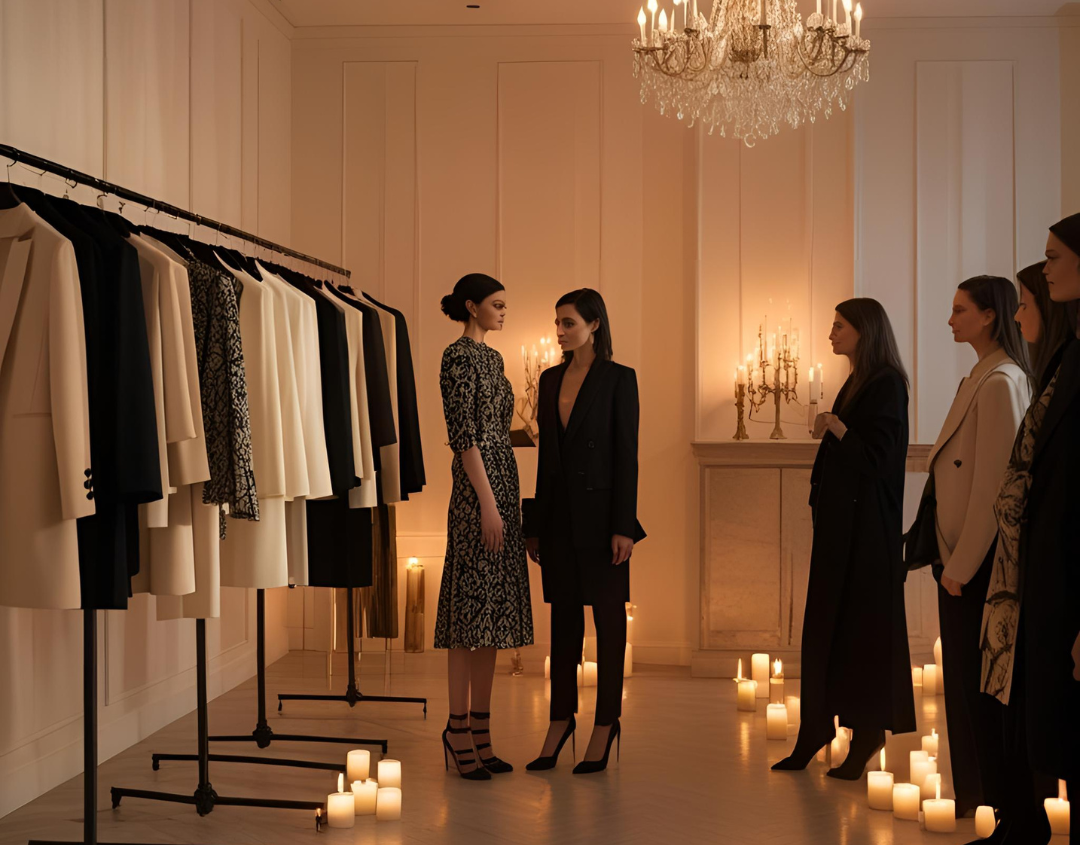
So of course the “business side” feels like it belongs to someone else.
You weren’t trained for it. You...
The Return of the Creative Designer: Why 2025 Marks a Turning Point in Fashion
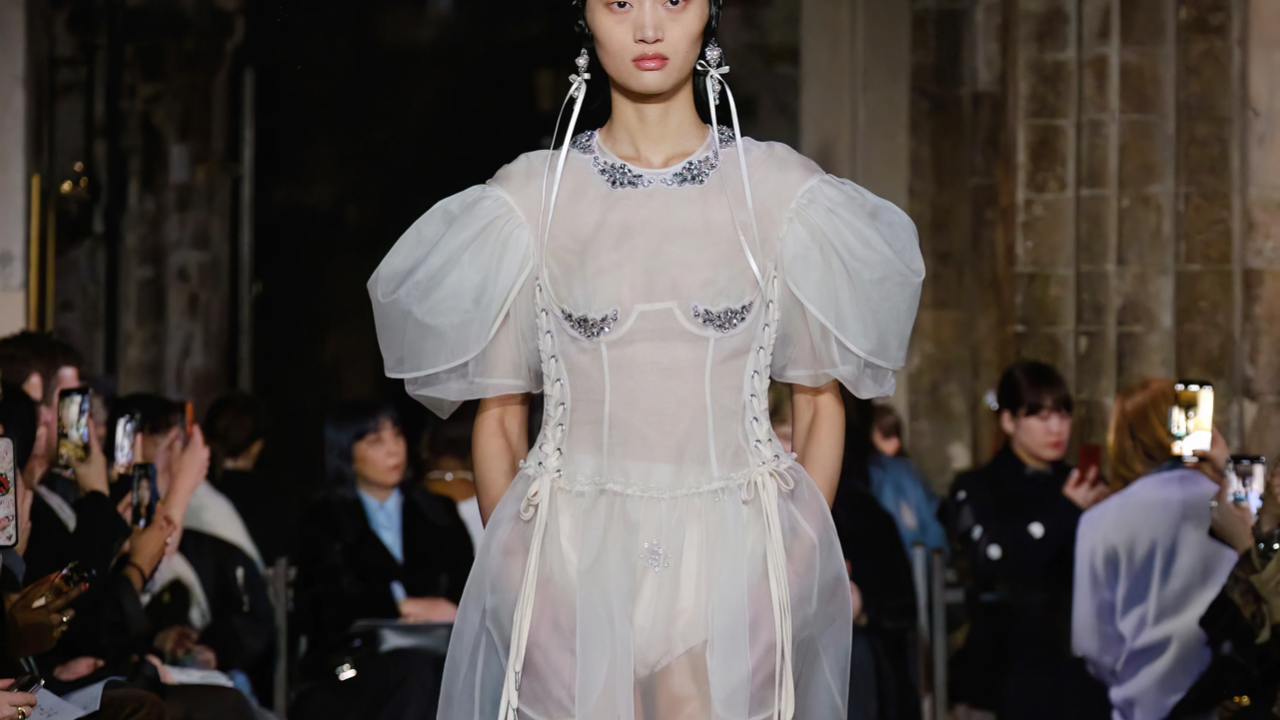
Have you noticed how everything started to look the same?
Tired trend cycles. The same silhouettes. Endless versions of the same viral aesthetic.
Somewhere along the way, design lost its edge… and its power.
If you’re an independent fashion designer with original ideas and a clear point of view, you’ve probably been wondering if the industry would ever shift back to valuing true originality and creativity again.
Well, here’s the good news:
In 2025, the return to innovation in fashion is already underway.
Fashion houses and customers alike are waking up to the fact that endless repetition is wearing thin. People are tired of seeing the same trends recycled year after year—and they’re even more tired of paying luxury prices for “Made in Italy” garments that were actually manufactured in China with huge profit margins.
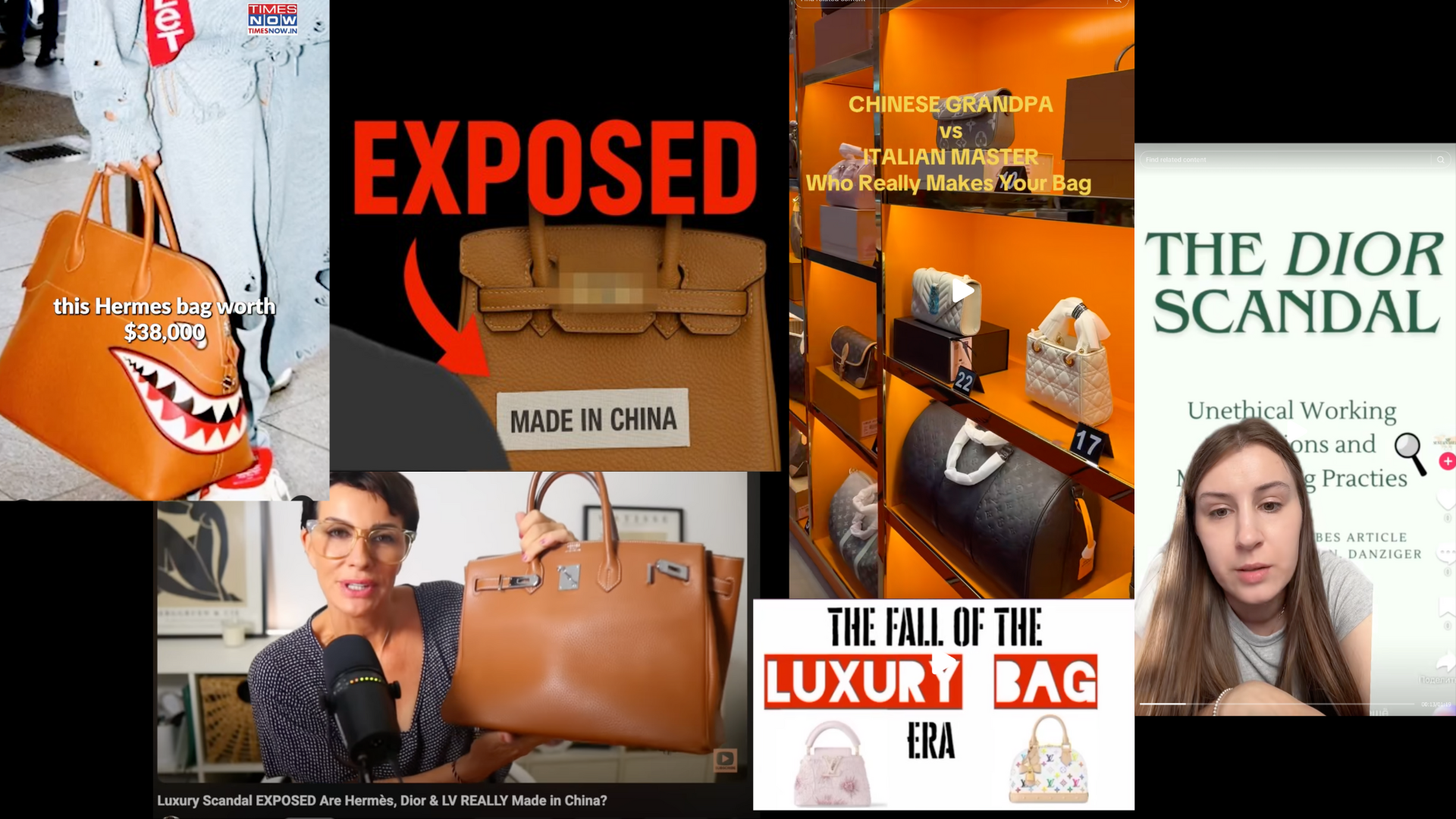
The trust is fading. The excitement is gone. But something is shifting.
Real designers who lead with originality are finally being seen again. Designers who crea...
SMALL CAN BE MIGHTY WHEN IT COMES TO DESIGNING YOUR FASHION COLLECTION AS A STARTUP DESIGNER
FASHION LAUNCH INSIDER EDITION 2 - 31ST MARCH 2025
By Your Launch Architect, Jane McMillan
DESIGNING JUST ONE PRODUCT CAN ACHIEVE MORE CLARITY THAN A LARGE COLLECTION IF YOU'RE JUST STARTING YOUR FASHION BUSINESS
For years THE FASHION INDUSTRY GATEKEEPERS (buyers, editors and agents) said that more choice was better....

But does more choice equate to more sales?
Have you ever tried to buy a pair of blue denim jeans, only to be bamboozled by choice and left the shop empty handed— hot, sweaty and mentally exhausted because you didn’t have the energy to try them all on!
Sometimes choice is too much for our brains so we end up choosing nothing! By offering less choice your customers don’t need to think, so actually buy more.
Look at cup cakes. They were just another cake in the cake shop. But when bakers started selling ONLY cupcakes demand went through the roof. One baker in Dubai even sold golden cupcakes for $1,000!

This strategy isn't ...
EMBRACE YOUR ROLE AS A FASHION CATALYST, NOT JUST A DESIGNER
EMPOWERING DESIGNERS TO BE FASHION CATALYSTS
Your business isn’t just about creating—it’s about being a disrupter, leading a movement, pioneering change, and shaping the future of fashion.
What do I mean by “Fashion Catalyst”? …. Well, most designers believe that if they just design something beautiful, people will buy it.
But the truth is that:
👎Designing collections without a strategy to reach the right customers in the right way will NOT lead to sales.
👎The “Hope and Pray Method” of posting on Instagram and hoping for buyers to come is a waste of time if there's no marketing plan to back up your efforts.
👎Changing direction every few months because things aren’t working will only keep you spinning your wheels on the baby step.
👎Designing and running your business in the same cookie-cutter way as everyone else will keep you invisible, in a sea of other designers, and something that no-one can quite put their finger on.
If you’re trying to build a business like thi...
HOW TO TEST YOUR DESIGNS BEFORE INVESTING $5K IN PROTOTYPES

Investing in samples or prototypes can be a huge financial commitment for a small fashion company, sometimes reaching upwards of $5,000.
Before diving in, it’s crucial to validate your designs and ensure they resonate with your target audience.
Here are 6 effective strategies to test and validate your designs without breaking the bank.
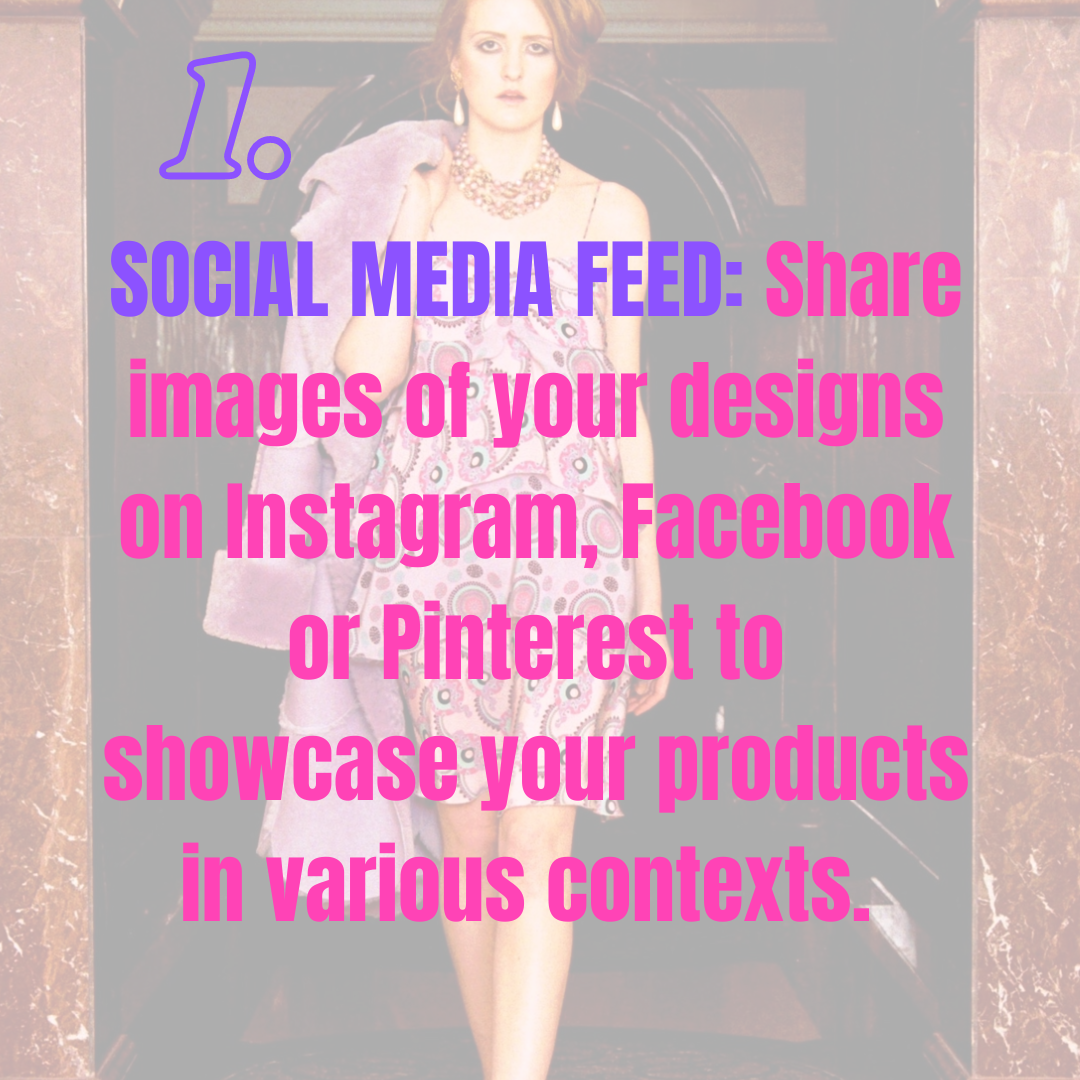
1.Social Media Feed: Share images of your designs on Instagram, Facebook or Pinterest to showcase your products in various contexts.
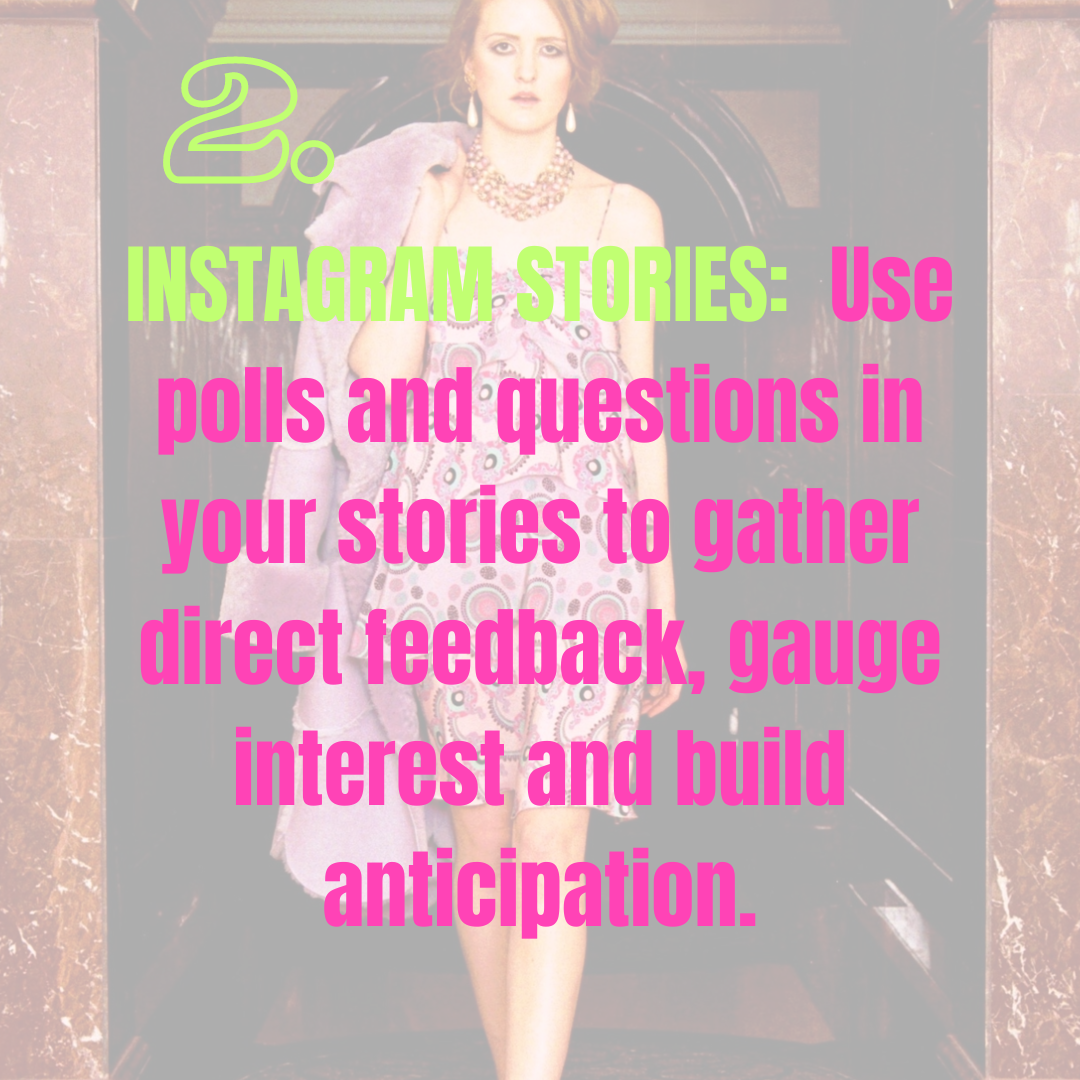
2. Instagram Stories: Use polls and questions in your stories to gather direct feedback, gauge interest and build anticipation among your audience.
3. Engage Your Audience: Ask open-ended questions to encourage your followers to share their thoughts on your designs and spark conversation so you can gauge what what might need tweaking.
4. Pre-Sell Limited Pieces: Once you’ve gathered feedback from your images the next step is to start pre-selling a limited number of pieces. This approach a...
What Independent Designers Need to Know to Thrive in 2025

The State of Fashion report by McKinsey & Company for 2025 paints a pretty clear picture of the challenges and opportunities ahead for small, independent and artisanal designers like you.
With so much uncertainty I thought it’d be helpful to break down the key takeaways and how they might impact your work moving into 2025.
A Shift in Consumer Behaviour
First off, the market is still pretty tough. Consumers are still feeling the pinch and are more price-conscious than ever but this shift is NOT just about discount shopping—there’s more demand for value, which includes embracing things like resale, off-price, and, believe it or not, even dupes!!
As an independent designer, this could mean reconsidering your pricing strategy but much more importantly, and what I tell the designers in Fashion Entrepreneurs Academy, it’s about how you communicate the value of your work.
Regional Shifts
Since China is not growing as fast as it was, many global brands are pivoting their attention to o
...THE REAL REASON WHY YOUR DESIGNS AREN'T SELLING!
If you are an indie fashion designer wondering how long your business can keep going before you throw in the towel, then this is for you:
Lack of funds is understood to be the #1 reason for fashion businesses failing but that is part of a wider core reason.
We all have a specific threshold where if something gets too close to success, too expensive or too uncomfortable where we give up.
So, it’s not actually the lack of funds that is the REAL cause of the business failure. It is actually the business owners’ mindset.
It’s their fear of success, fear of not being able to get the funding to continue, their fear of having to struggle through or their unwillingness to make sacrifices and/or compromises to continue despite the lack of funds.
Successful business owners are tenacious and believe in themselves and their business idea longer than most people do.
It is the 1% who are willing to do what 99% of people won’t who get the success most people don’t.
Successful fashion designers hold on to t...
Jane McMillan

Jane McMillan
Founder of Fashion Entrepreneurs Academy
Jane McMillan is a fashion launch architect and consultant living in London. Her Mac Millan brand gained celebrity clients including a former member of the British Royal Family and her work has been shown in editorial features such as Vogue, Marie Claire, Elle, In Style, Glamour, Cosmopolitan, WWD, etc. and featured on several broadcast media including Channel 4 and the BBC. For over a decade, Jane's collections were showcased internationally, appearing on the official catwalk schedule at New York Fashion Week in Bryant Park, the British Fashion Council's Designer Exhibition, On|Off catwalk shows at London Fashion Week, and Tranoï Paris. For many years, Jane consulted for renowned fashion brands including Roland Mouret and Roksanda, while also serving as an Associate Lecturer at Central Saint Martins, where she mentored students who have since become some of the most sought-after names in London, Paris and other global fashion capitals. Today, Jane brings together her experience in luxury fashion, education and business to help independent fashion brands launch their collections, attract the right customers and grow to the next level.
Recent Newsletters